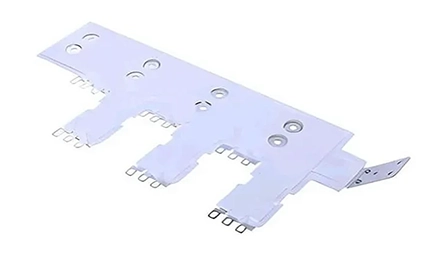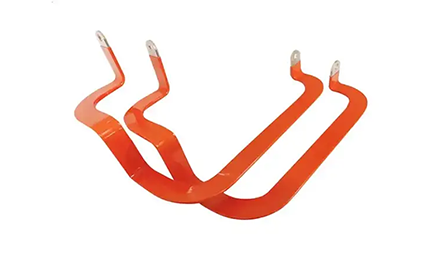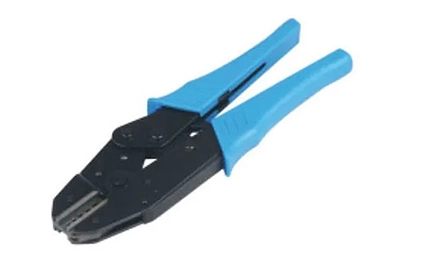


Electric vehicles (EVs) are at the forefront of the automotive industry's transformation, and their performance heavily relies on efficient, durable, and advanced components. Among these, the battery pack plays a crucial role in ensuring high energy storage, long-range capabilities, and optimal safety. The integration of CCS Integrated Busbars into EV battery packs has revolutionized the way electrical energy is distributed within these complex systems. In this article, we will explore what CCS is, the advantages of CCS busbars for EV battery packs, their structure and classifications, and key considerations for their design and manufacturing, concluding with an introduction to Haiyan's CCS Integrated Busbar.
The term CCS stands for Charging Communication System, but in the context of EV battery packs, CCS generally refers to Current Carrying System, a crucial part of electrical distribution within the battery pack. The CCS is designed to facilitate the safe and efficient flow of electrical current from the battery cells to the electric motor and vice versa. It is responsible for distributing the energy stored in the battery pack and ensuring that all cells in the system receive balanced charging and discharging.
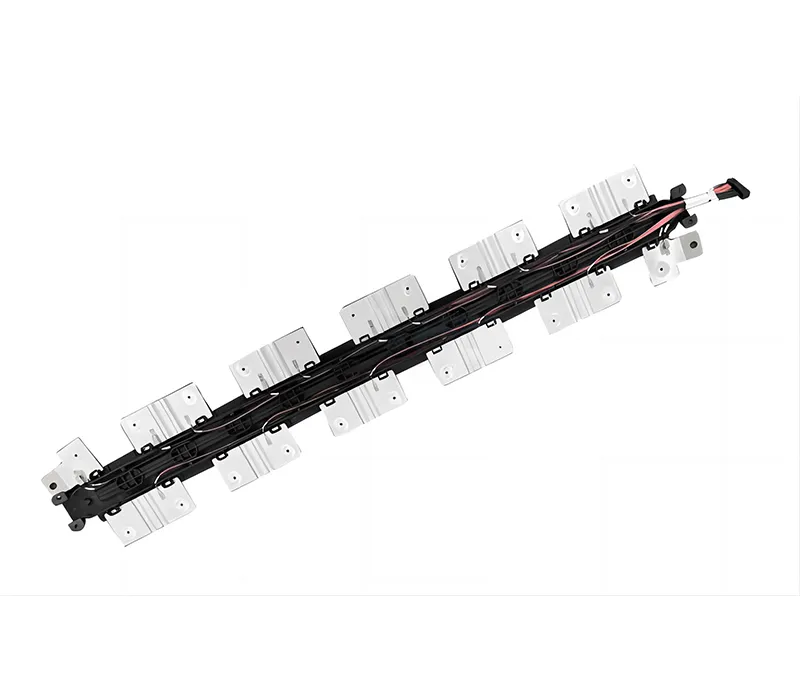
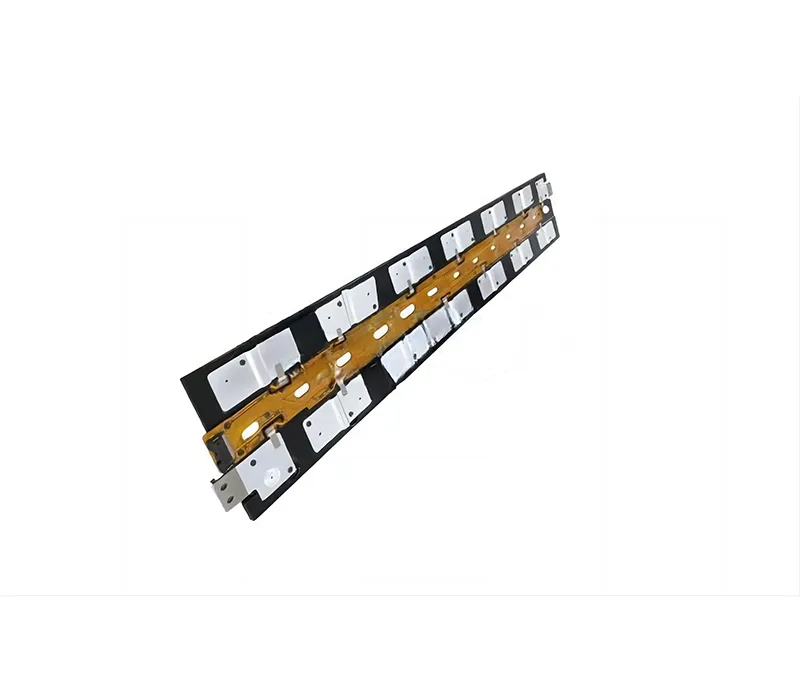
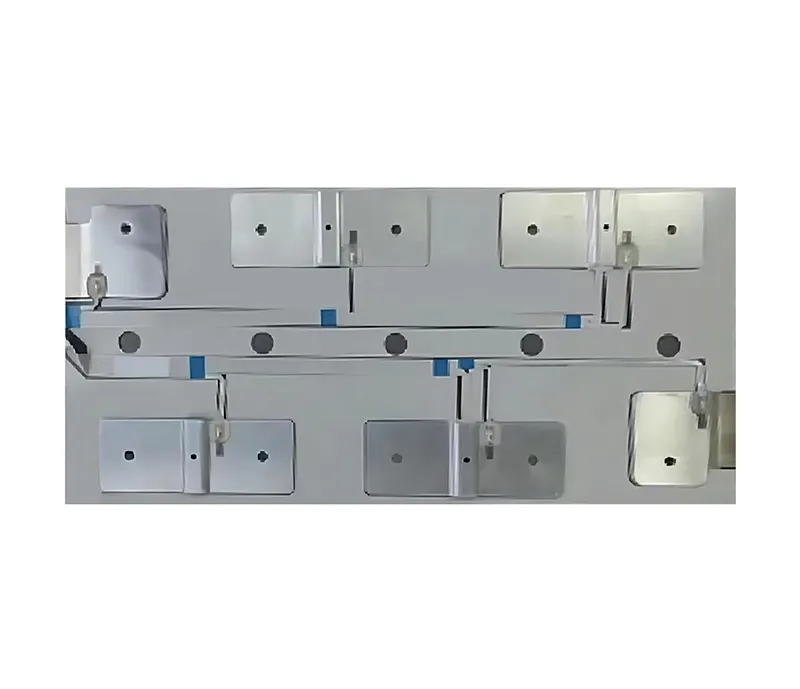
A CCS Integrated Busbar is an advanced solution used to interconnect the various battery cells in a pack and connect them to the external circuitry for energy delivery. It integrates the power distribution and cooling system into a single unit, which is ideal for improving overall system efficiency, thermal management, and space utilization within the battery pack.
1. Enhanced Efficiency:
CCS busbars reduce electrical losses in power transmission, which is crucial for maximizing the efficiency of EVs. Traditional wiring systems often suffer from inefficiencies due to high resistance, while CCS busbars provide a low-resistance path for current flow, optimizing power delivery.
2. Compact Design:
A major advantage of using CCS integrated busbars is the compactness they bring to EV battery designs. By combining multiple functions like power transmission, cooling, and structural support into a single unit, the design becomes more streamlined and takes up less space, essential for space-constrained electric vehicles.
3. Improved Safety:
The integrated nature of CCS busbars helps to minimize the chances of short circuits or other safety hazards. Their robust design provides better insulation and protection against electrical faults, enhancing the overall safety of the battery pack.
4. Better Thermal Management:
The structure of the CCS busbar helps in managing the heat generated during the charging and discharging cycles. Heat dissipation is a key challenge for EV batteries, and CCS busbars, especially those with integrated cooling features, improve the battery pack's ability to maintain a stable temperature range.
5. Reduced Assembly Complexity:
The integration of different components like current carrying, cooling, and mechanical support into one unit simplifies the manufacturing process. This reduces the number of parts required and minimizes assembly time, leading to cost savings in production.
CCS busbars are typically classified into different types based on their structure, function, and material used. The general structure of a CCS busbar includes the following elements:
1. Conductive Plates:
These are the primary elements of the busbar that carry the electrical current. They are often made from high-conductivity materials like copper or aluminum, ensuring minimal resistance during power transmission.
2. Insulation Layers:
To prevent short circuits and ensure safety, insulation layers are applied around the conductive plates. These layers can be made from high-temperature-resistant materials like fiberglass or polymer.
3. Cooling Channels:
For thermal management, many CCS busbars integrate cooling channels that use a liquid or air-based cooling system to dissipate the heat generated during battery operation. This ensures the busbars remain at an optimal temperature, preventing overheating.
4. Mechanical Support Structure:
The busbar is also designed to provide mechanical support to hold the battery cells in place, reducing movement and vibration during operation, which can cause damage over time.
CCS busbars come in various designs depending on the battery type and the performance requirements of the EV. Some of the common variants include:
1. Single Busbar Systems:
These are simpler designs where a single busbar connects multiple cells. While less complex, single busbar systems may not provide optimal thermal management or efficiency in high-performance applications.
2. Dual Busbar Systems:
Dual busbar systems feature two separate busbars for positive and negative currents. This system allows for better current distribution and improved heat dissipation, making it ideal for larger battery packs with higher current requirements.
3. Multi-Busbar Systems:
In high-performance EV applications, multi-busbar systems are used to distribute current more efficiently across multiple cells. This design is often found in large-format battery packs and can support higher charging and discharging rates.
4. Integrated Cooling Busbar Systems:
These advanced systems integrate cooling features directly into the busbar structure. They can either use liquid cooling channels or air-cooled designs to keep the busbar temperature within safe operating limits.
When designing and manufacturing CCS integrated busbars, several critical factors must be taken into account:
1. Current Carrying Capacity:
The busbar must be capable of handling the high currents generated during charging and discharging without overheating or suffering from excessive voltage drop.
2. Material Selection:
The choice of materials, including the conductive plates, insulation, and cooling elements, directly affects the busbar’s performance. Copper and aluminum are typically preferred for their high conductivity, but material selection depends on the specific application.
3. Thermal Management:
Effective heat dissipation mechanisms are essential to prevent the busbar from overheating and potentially damaging the battery pack. The design should consider the heat flux generated during high-power operation.
4. Size and Weight:
The busbar must be designed to fit within the battery pack without taking up excessive space or adding unnecessary weight. Optimization of size and weight is especially important for EVs, where every component impacts the overall vehicle performance.
5. Manufacturing Process:
The production of CCS busbars should involve precise manufacturing techniques to ensure high-quality standards, especially since these components are critical to the safety and longevity of the battery pack.
Haiyan's CCS Integrated Busbar technology offers an innovative solution for EV battery packs. With a focus on efficiency, safety, and thermal management, Haiyan's busbars provide an all-in-one solution for interconnecting battery cells, managing electrical current, and cooling the battery pack.
Some of the key features of Haiyan's CCS Integrated Busbars include:
Advanced Cooling Technology: Haiyan’s busbars feature integrated cooling channels that enhance heat dissipation, ensuring that the battery pack operates within safe thermal limits.
High Conductivity Materials: The busbars are crafted using high-quality copper or aluminum, ensuring low resistance and efficient current flow.
Durability and Safety: The busbars are designed to withstand harsh conditions, including high temperatures and mechanical stress, making them ideal for automotive applications.
Haiyan's commitment to innovation and quality ensures that its CCS Integrated Busbars are well-suited for the evolving demands of electric vehicles, providing a reliable and efficient power distribution system for battery packs.
CCS Integrated Busbars are a key component in modern EV battery packs, providing benefits such as improved efficiency, compactness, better thermal management, and enhanced safety. With the continued growth of electric vehicles, the demand for high-performance busbars is expected to rise, and manufacturers like Haiyan are at the forefront of delivering cutting-edge solutions. By understanding the advantages, structure, and design considerations of CCS busbars, manufacturers and engineers can optimize their battery packs for both performance and safety.
1. What is the purpose of a CCS Integrated Busbar in an EV?
A CCS Integrated Busbar helps to distribute electrical power efficiently between the cells in an EV battery pack while also managing heat and providing mechanical support.
2. How does a CCS busbar improve battery pack efficiency?
CCS busbars reduce power loss by offering a low-resistance path for electrical current, allowing for more efficient energy distribution.
3. What materials are used in CCS busbars?
CCS busbars are commonly made from high-conductivity materials like copper or aluminum, along with insulating and cooling materials to ensure optimal performance.
4. What is the advantage of Haiyan's CCS Integrated Busbar?
Haiyan's CCS Integrated Busbar offers advanced cooling technology, high conductivity, and durable materials, providing a reliable and efficient power distribution system for EV battery packs.
GET A QUOTE


 中文
中文 English
 Pусский
 Français
 Español