

You've seen it happen. A battery pack goes offline. The diagnostics point to a failed connection — a rigid busbar that cracked from vibration or loosened from thermal cycling. The system is down for hours while maintenance teams trace the fault, replace the component, and test the system. Every hour of downtime costs thousands.
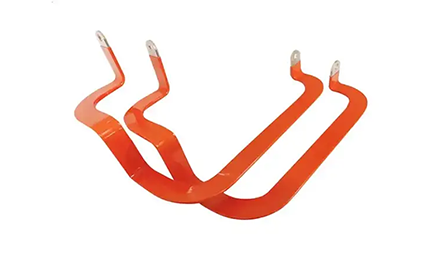
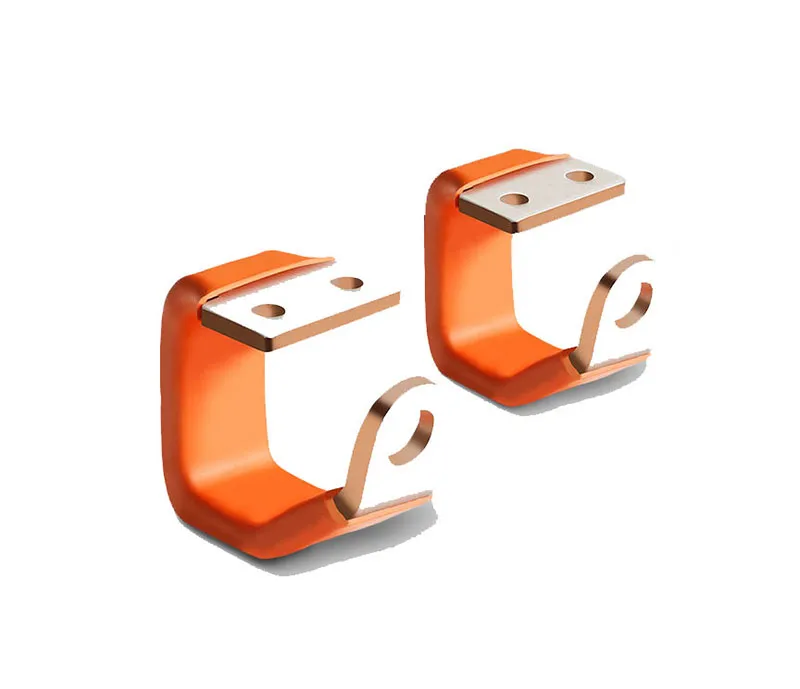
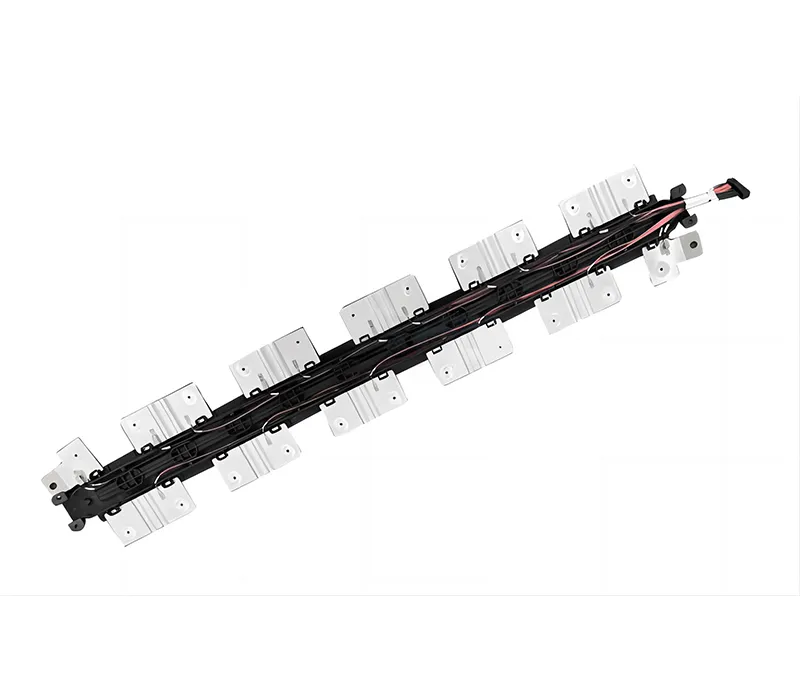
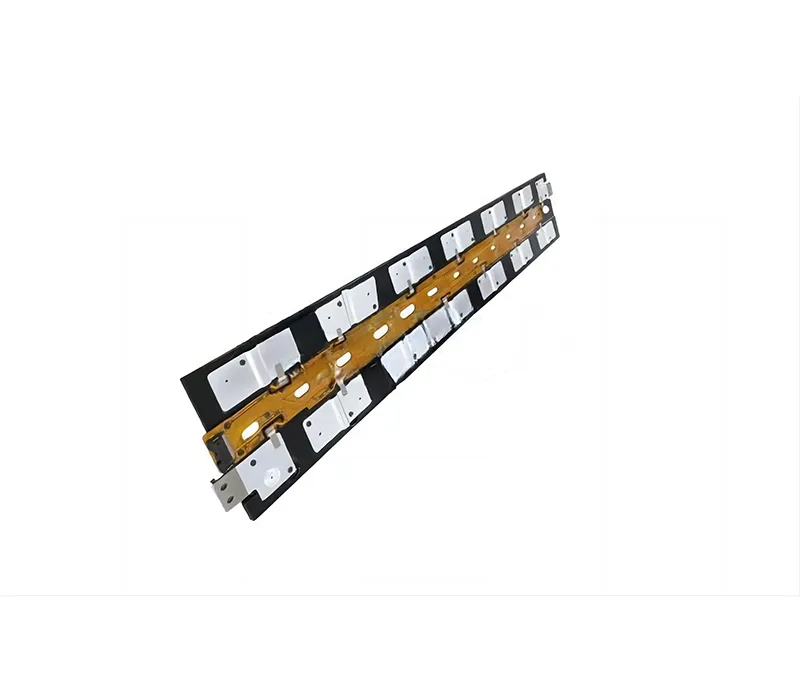
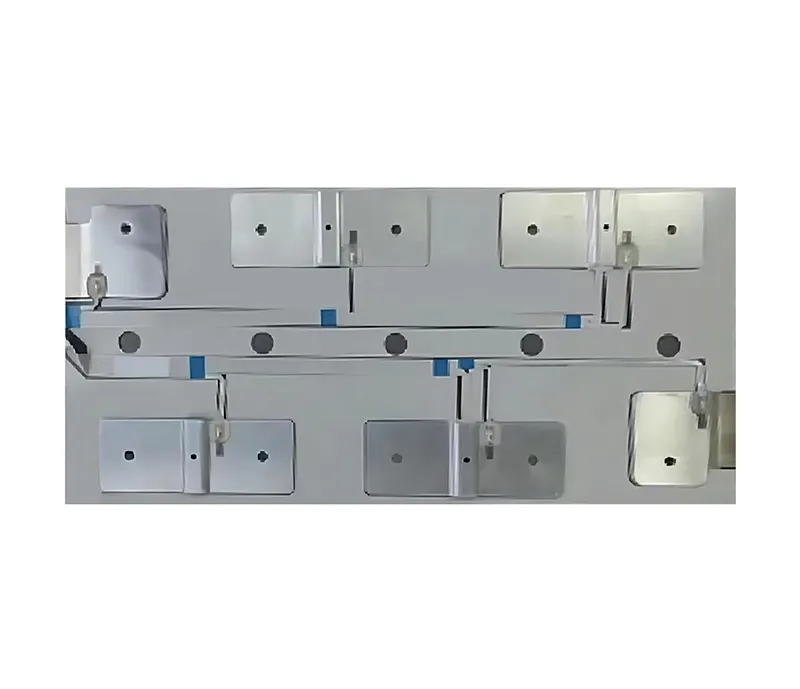
A flexible busbar prevents those failures. Built from multiple thin layers of laminated copper or tin-plated copper, it bends and flexes to accommodate movement while maintaining a low-resistance, high-current connection. By absorbing vibration and compensating for thermal expansion, flexible busbars eliminate the connection failures that cause unplanned downtime. This guide covers why flexible busbars are more reliable than rigid alternatives, how they reduce maintenance frequency, and why they're the standard choice for EV battery packs and energy storage systems.
Most high-current connection failures follow predictable patterns. Flexible busbars are designed to address each one.
In an electric vehicle or industrial system, vibration is constant. Road bumps, motor operation, and nearby equipment all create movement that transmits through rigid busbars. Over time, this vibration creates microscopic cracks at terminal connections. The resistance increases. Heat builds. Eventually, the connection fails. A flexible busbar absorbs vibration, keeping joints tight and preventing fatigue cracking at terminals over the system's life. The connection that fails in a rigid system remains secure in a flexible one.
Battery modules expand and contract with temperature changes. A rigid busbar can't accommodate this movement, creating stress at the connection points. Over time, this stress leads to loosening, increased resistance, and eventual failure. A flexible busbar moves with the modules, maintaining a secure connection through thousands of thermal cycles. The bolts stay tight. The resistance stays low. The system keeps running.
Rigid busbars require precise planning and careful installation. A misalignment during installation creates stress that shows up as a failure months later. Flexible busbars can be easily bent and shaped on-site, reducing installation errors and the downtime they cause. Up to 60% faster installation also means fewer opportunities for mistakes.
The choice between flexible and rigid busbars has a direct impact on system reliability and maintenance frequency.
| Feature | Flexible Busbar | Rigid Busbar |
|---|---|---|
| Vibration absorption | Excellent — absorbs movement | Poor — transmits vibration to terminals |
| Thermal expansion | Accommodates movement | Creates stress at connections |
| Installation errors | Tolerates minor misalignment | Requires precise alignment |
| Maintenance frequency | Low — stable connections | High — requires re-torquing |
| Failure mode | Gradual, predictable | Sudden, catastrophic |
| Downtime impact | Minimized | Significant |
Rigid busbars often require periodic re-torquing of connections as thermal cycling loosens bolts. Flexible busbars maintain consistent pressure through movement, reducing the need for scheduled maintenance. For a fleet operator or a utility-scale energy storage system, fewer maintenance visits mean lower labor costs and less scheduled downtime. The flexible connection that doesn't need quarterly inspection is the one that keeps the system online.
An unplanned outage in a battery energy storage system can cost thousands of dollars per hour — lost revenue, missed service level agreements, and overtime labor for emergency repairs. Flexible busbars eliminate the connection failures that cause these outages. The small increase in component cost is insignificant compared to the cost of a single unplanned shutdown.
Flexible busbars are specified wherever downtime is expensive and reliability is critical.
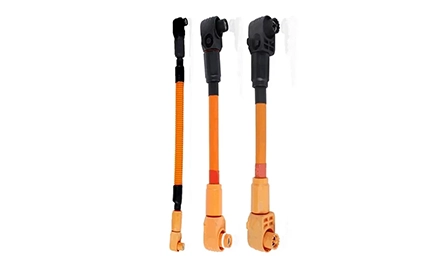
In an electric vehicle, a flexible busbar connects high-current components such as battery modules, the battery management system (BMS), DC-DC converter, inverter, and charger. Its compact design helps reduce the electrical system's volume, optimizing space in EV batteries. The busbar enables secure and efficient connections between battery modules, improving performance and reducing system weight. For fleet operators, fewer connection failures mean fewer vehicles in the shop and more on the road.
In large-scale energy storage systems or renewable energy installations, flexible busbars connect batteries, inverters, and stacks in solar and wind systems. They provide a reliable, low-resistance connection between battery cells or modules, ensuring efficient power distribution even under varying loads. For grid-scale storage, reliability isn't just about revenue — it's about maintaining grid stability.
Flexible busbars are used in control panels, electrical boards, and power distribution systems where space is limited or where connections need to accommodate movement. They provide a reliable, low-resistance connection between electrical components such as transformers, circuit breakers, and other busbars. In industrial settings, unplanned downtime means lost production, missed shipments, and dissatisfied customers.
Q: How does a flexible busbar reduce unplanned downtime?
A: Flexible busbars reduce downtime by eliminating the most common failure modes of rigid connections. They absorb vibration instead of transmitting it to terminals. They accommodate thermal expansion instead of creating stress. They tolerate minor installation misalignment instead of failing later. The result is a connection that stays secure — and a system that stays online.
Q: Do flexible busbars require special maintenance?
A: No. Flexible busbars typically require less maintenance than rigid busbars because they maintain consistent connection pressure through movement. No periodic re-torquing is needed. Visual inspections for damage or overheating are the primary maintenance activity. For most applications, the maintenance schedule can be extended compared to rigid systems.
Q: What is the typical lifespan of a flexible busbar?
A: Flexible busbars are designed for the life of the equipment. In EV applications, that means the life of the vehicle — typically 10-15 years or more. The laminated construction, quality materials, and insulation ensure that the busbar outlasts the connections it replaces.
Q: Can a flexible busbar be repaired if damaged?
A: In most cases, replacement is more cost-effective than repair. However, flexible busbars are designed for long service life and rarely fail before the equipment they serve. If damage occurs, the busbar should be replaced with a new one to ensure reliable performance.
Selecting the right flexible busbar starts with understanding your system's failure points. Where have rigid connections failed in the past? Where is vibration most severe? Where is thermal cycling most extreme? Answering these questions directs you to the right busbar configuration.
Define the current rating — the maximum current the busbar will carry. Determine the voltage rating — the maximum system voltage. Consider the space constraints — the busbar must fit within the available envelope. Evaluate the environmental conditions — temperature, humidity, and exposure to chemicals all affect material selection.
Specify the material — copper for highest conductivity, aluminum for weight reduction. Choose the plating — tin-plated copper offers corrosion resistance and solderability. Determine the insulation type — halogen-free, flame-retardant materials for safety. Define the termination method — bolt holes, punched connections, or custom terminations.
A reliable flexible busbar manufacturer will help you work through these decisions, offering guidance on material selection, layer count, and insulation options. Before you commit to a flexible busbar solution, request samples and test them in your actual application conditions. A few hours of validation now prevents years of field failures.
Ready to reduce downtime with flexible busbars? Contact a flexible busbar manufacturer for a quote or technical consultation. Share your current failure points, current rating, voltage, and space constraints — their engineering team can recommend the right laminated busbar configuration for your specific application.
GET A QUOTE


 中文
中文 English
 Pусский
 Français
 Español