

You're specifying the power distribution for a new substation or upgrading an existing switchgear lineup. The current is high. The environment is demanding. And every component needs to perform reliably for decades. The conductor you choose isn't just a detail — it's the backbone of the entire system.
A rigid busbar is that backbone. But not every busbar fits every system. The choice comes down to three factors: material, current capacity, and installation configuration. This guide walks you through how to match the right rigid busbar to your power system.
The choice between copper and aluminum busbars isn't just about conductivity — it's about performance, weight, and cost.
Copper offers the highest conductivity of any common electrical conductor. For high-current applications where every watt of lost energy matters, copper is the standard. Its conductivity means smaller cross-sections can carry the same current as larger aluminum sections, saving space in crowded switchgear. Copper also offers superior corrosion resistance and thermal performance, making it the default choice for critical power systems.
Aluminum busbars are lighter than copper — about one-third the weight for the same volume. For large-scale installations where weight is a consideration, aluminum offers practical advantages. It's also more cost-effective, making it the preferred choice for applications where budget is a primary driver. However, aluminum requires larger cross-sections for the same current capacity and needs careful attention to connection quality to prevent oxidation.
Silver and tin plating are common options for busbar connections. Silver plating provides the lowest contact resistance, making it ideal for high-current connections where heat generation must be minimized. Tin plating offers good corrosion protection at a lower cost. The choice depends on your application's current, environment, and connection requirements.
Below is a quick reference table for material selection:
| Material | Conductivity | Weight | Cost | Best For |
|---|---|---|---|---|
| Copper | Highest | Heavier | Higher | Critical systems, space-constrained switchgear |
| Aluminum | Good | Lighter | Lower | Large installations, weight-sensitive applications |
Once you've chosen the material, the next decisions are about physical specifications — cross-section, shape, and mounting.
The cross-sectional area of the busbar determines its current-carrying capacity. Larger cross-sections carry more current with less temperature rise. The required size depends on the maximum current your system will carry, the ambient temperature, and the allowable temperature rise. For electrical engineers, this is a straightforward calculation — but the busbar manufacturer needs to know the current rating to recommend the right cross-section.
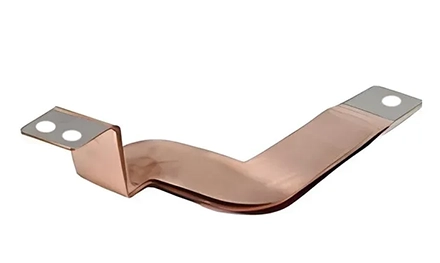
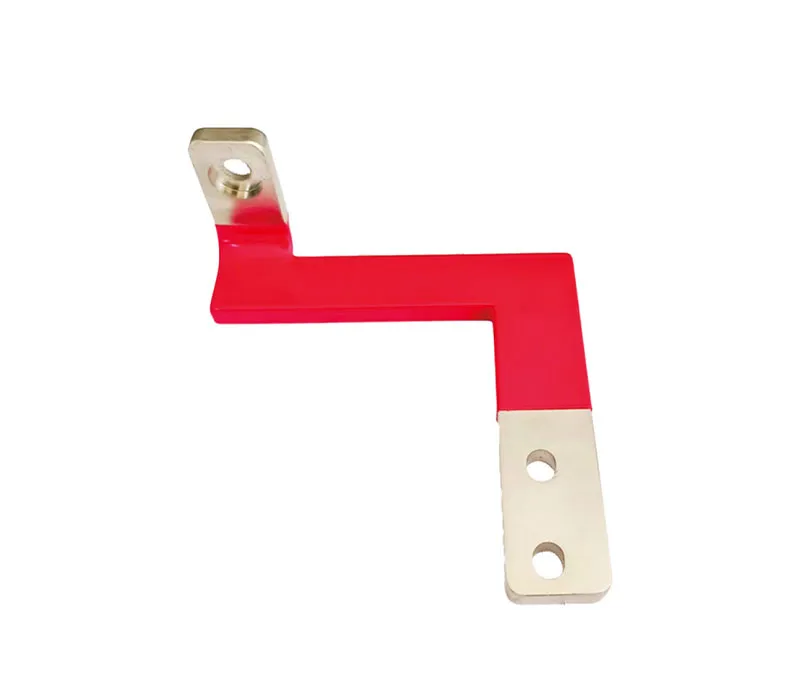
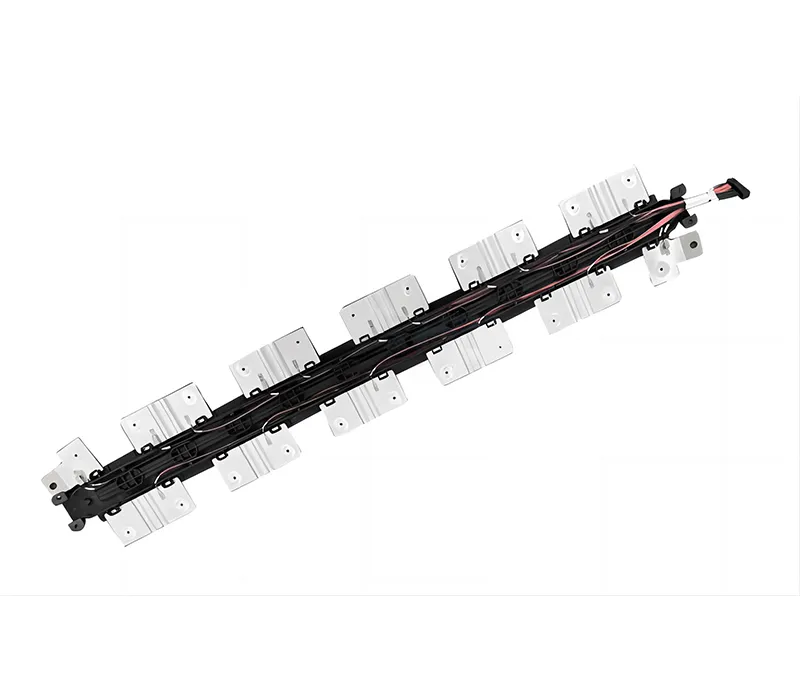
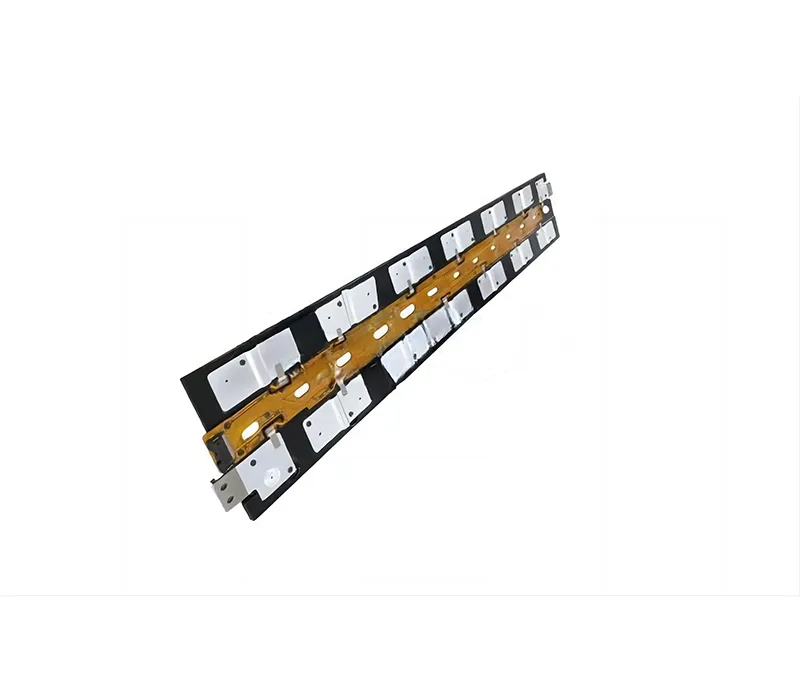
Rigid busbars are available in a range of shapes — flat bars, rectangular bars, and custom profiles. Pre-drilled mounting holes simplify installation. For maintenance teams, busbars with clearly marked connection points and standardized mounting patterns reduce installation time and the risk of errors.
Sometimes the standard options don't fit. Custom busbars are available for applications with unusual current ratings, space constraints, or connection requirements. Whether you need a specific copper cross-section, custom mounting holes, or a particular plating finish, rigid busbars can be configured to your requirements.
The best specifications mean nothing without quality manufacturing and testing.
Every rigid busbar should undergo 100% dielectric testing before it leaves the factory. This testing verifies the insulation integrity and confirms that the busbar can withstand the system voltage without breakdown. For procurement teams, that testing provides confidence that the product will perform as specified.
The quality of the raw material determines the busbar's performance over its life. High-purity copper or aluminum ensures consistent conductivity. Surface treatments prevent oxidation and corrosion. For facility managers, material quality means fewer connection problems and longer service life.
A reliable busbar supplier provides documentation for every shipment. Material certifications, test reports, and compliance statements provide the traceability that engineering and procurement teams need for both commissioning and ongoing maintenance.
Q: Busbar vs. cable — which one is right?
A: Busbars offer lower resistance, better heat dissipation, and more consistent performance than cables of the same current rating. They also take up less space in switchgear and are easier to connect and disconnect. For high-current applications, busbars are the standard.
Q: Copper and aluminum together — can you mix them?
A: Yes, but with precautions. Copper and aluminum connections require special attention to prevent galvanic corrosion. Bi-metallic connectors or plating (silver or tin) on the contact surfaces are essential. A reputable busbar supplier can provide guidance on mixed-material connections.
Q: Copper or aluminum — how to decide?
A: Copper is the default choice for critical systems where reliability and space are priorities. Aluminum is a practical choice for large-scale installations where weight and cost are more significant factors. If you're unsure, consult with the busbar supplier — they can help you compare the total cost of ownership for your specific application.
Choosing the right rigid busbar starts with understanding your power system's requirements. Begin with the current rating — the maximum current your system will carry. Then consider the environment — temperature, humidity, and vibration all affect busbar performance. Finally, evaluate the installation — available space, connection requirements, and maintenance access all influence the busbar configuration.
A reliable busbar supplier will help you work through these decisions. They should offer guidance on material selection, size specification, and installation best practices. They should also provide documentation — material certifications, test reports, and compliance statements — that give you confidence in the product.
Before you specify busbars for your next project, define your current requirements, installation constraints, and quality expectations. The right busbar — matched to your power system — will deliver reliable performance for decades.
Ready to specify rigid busbars for your power system? Contact a busbar supplier for a quote or technical consultation. Share your current rating, material preference, and installation requirements — their team can recommend the right rigid busbar configuration for your specific application.
GET A QUOTE


 中文
中文 English
 Pусский
 Français
 Español