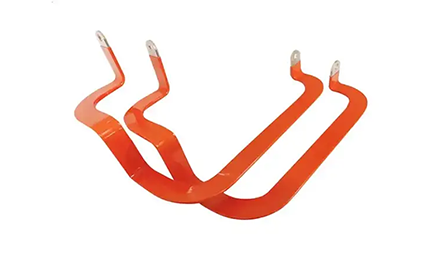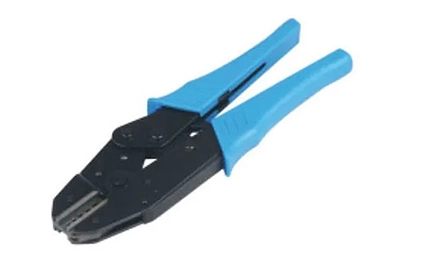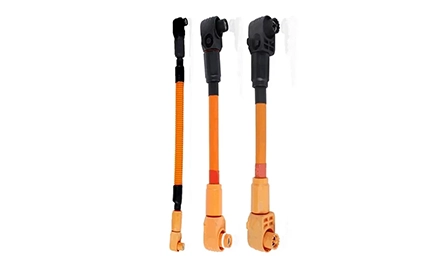


You're designing a power distribution system — for an electric vehicle battery pack, a solar inverter, a wind turbine, or an industrial control panel. The busbar carries current from one point to another, and its material choice affects everything from system weight and cost to long-term reliability. An aluminum busbar offers a compelling alternative to copper: it weighs about 50% less, costs up to 70% less in raw material, and provides natural corrosion resistance through its oxide layer. This guide covers what aluminum busbars deliver, the key benefits that make them the preferred choice across industries, and what to look for when selecting one for your application.
Aluminum busbars have emerged as the preferred choice for power distribution across industries including EV manufacturing, renewable energy, and industrial automation. Their exceptional conductivity-to-weight ratio, cost-effectiveness, and corrosion resistance make them ideal for demanding applications. The key advantages are straightforward: aluminum weighs approximately 50% less than copper alternatives while delivering comparable conductivity. This translates to significant savings in transportation and installation costs. With raw material costs up to 70% lower than copper, aluminum busbars provide substantial economic advantages without compromising performance.
For applications where weight is a critical factor — electric vehicles, aerospace, portable equipment — aluminum's lighter weight reduces overall system mass and improves efficiency. In large-scale installations, the weight difference also reduces structural support requirements and simplifies handling during installation.
The significant material cost advantage of aluminum does not come at the expense of performance. With proper sizing — typically about 1.6 times the cross-sectional area of copper — aluminum busbars deliver the same current-carrying capacity at a fraction of the cost.
Aluminum busbars offer a combination of benefits that make them a practical choice for a wide range of applications. The natural oxide layer that forms on aluminum surfaces provides protection against environmental degradation, ensuring long-term reliability in harsh operating conditions. Excellent heat dissipation properties help maintain optimal operating temperatures, extending equipment lifespan.
Unlike copper, which requires surface treatments to resist corrosion in many environments, aluminum forms a protective oxide layer naturally. This oxide film protects against further corrosion, making aluminum busbars suitable for outdoor installations, coastal environments, and industrial settings with high humidity.
Aluminum's thermal conductivity ensures efficient heat dissipation, helping to keep busbar temperatures within safe operating limits even under high-current loads. This thermal performance contributes to system reliability and extends the service life of connected components.
Aluminum busbars are used across a growing range of industries and applications. In electric vehicles, they support power distribution systems, battery management, and charging infrastructure — where lightweight design is critical for range optimization. In renewable energy, solar inverters, wind turbine systems, and energy storage solutions benefit from aluminum's durability and conductivity in challenging environments. In industrial automation, control panels, switchgear, and power distribution units achieve optimal performance with custom-designed aluminum busbar configurations.
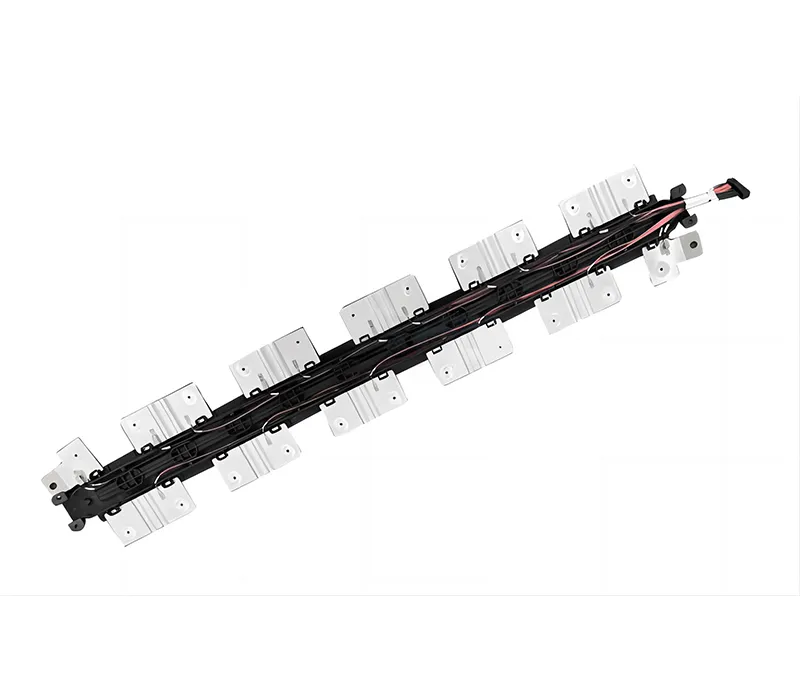
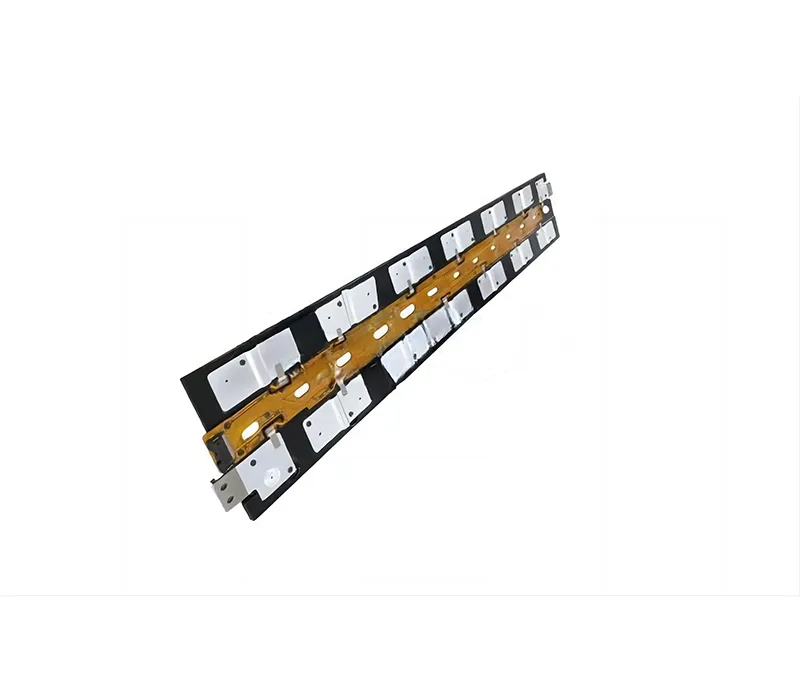
EV battery packs require compact, lightweight conductors that can handle high currents without adding unnecessary mass. Aluminum busbars meet this requirement while also offering the design flexibility needed for complex battery module layouts. They are commonly used in battery interconnects, power distribution units, and charging infrastructure.
Solar inverters and wind turbine converters operate in demanding outdoor environments where corrosion resistance and thermal performance are critical. Aluminum busbars provide the durability needed for these applications while keeping system costs manageable.
In industrial settings, aluminum busbars are used in switchgear, distribution panels, and control cabinets. Their cost-effectiveness makes them particularly attractive for large-scale installations where material costs represent a significant portion of the overall budget.
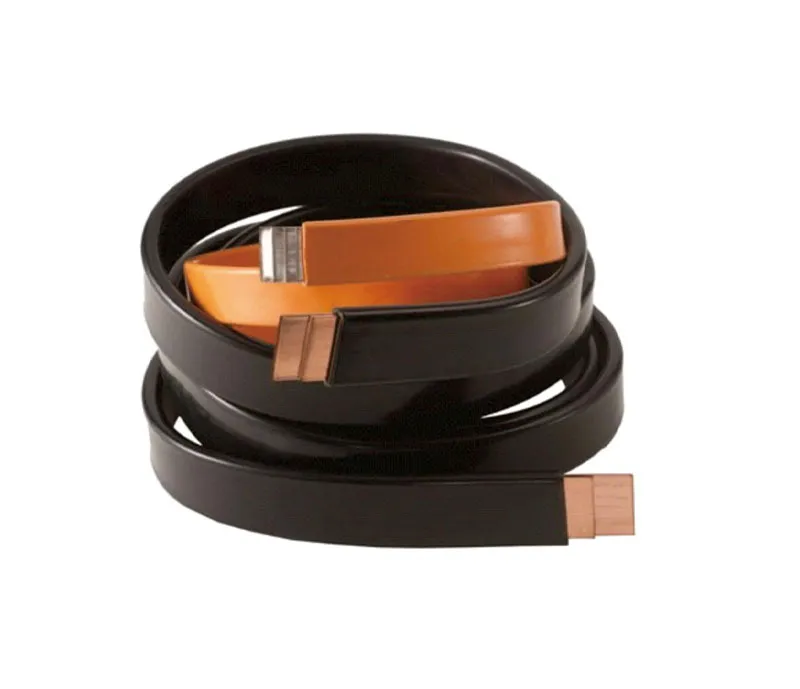
Quality manufacturing standards ensure that aluminum busbars meet the performance and reliability requirements of demanding applications. Haiyan's aluminum busbars are manufactured using premium-grade materials with strict quality control protocols. Precision CNC machining ensures dimensional accuracy for consistent fit and performance. Surface treatment options include anodizing and tin plating to enhance corrosion resistance and conductivity for specific applications. Custom designs are available to meet specific application requirements. All products comply with international standards (IEC, UL, CE).
Aluminum busbars are available in various grades including 1060 and 6061 alloys. The choice of alloy affects conductivity, mechanical strength, and formability. High-purity aluminum grades like 1060 offer excellent conductivity (approximately 62% IACS), while alloys like 6061 provide higher mechanical strength for structural applications.
From design consultation to prototyping, manufacturers offer expert engineering support to help you select the right busbar configuration for your specific application. Custom dimensions, shapes, and surface treatments are available to meet unique requirements.
The choice between aluminum and copper busbars depends on your specific application requirements. Copper offers higher conductivity (100% IACS) compared to aluminum (about 61% IACS). Under the same cross-sectional area, copper busbars carry about 30% more current. However, aluminum's lightweight and cost advantages make it the preferred choice for many applications. For high current density scenarios (data centers, EV charging piles), copper busbars reduce heat generation and power loss. For photovoltaic power stations and wind power projects where weight reduction is a priority, aluminum is the better choice. For low-voltage distribution systems (current ≤ 630A), aluminum provides a cost-effective solution.
Choose copper for applications requiring high reliability (hospitals, data centers, nuclear facilities), compact design (EV battery packs, 5G base stations), or equipment with frequent start/stop or high impact current (inverters, electric welders).
Choose aluminum for photovoltaic power stations and wind power projects where weight reduction is a priority, low-voltage distribution systems (current ≤ 630A), or budget-sensitive applications where cost is a primary consideration.
| Specification | Typical Value | Why It Matters |
|---|---|---|
| Conductivity | ~61% IACS | Current-carrying capacity |
| Weight vs. copper | ~50% lighter | Reduces system weight and installation costs |
| Material cost vs. copper | Up to 70% lower | Significant cost savings |
| Operating temperature | -50°C to 150°C | Wide environmental adaptability |
| Surface treatments | Anodizing, tin plating | Enhanced corrosion resistance and conductivity |
| Common alloys | 1060, 6061 | Different conductivity and strength profiles |
| Standards | IEC, UL, CE | Regulatory compliance |
What is the conductivity of an aluminum busbar compared to copper?
The conductivity of copper (IACS standard) is 100%, while aluminum is about 61% IACS. Under the same cross-sectional area, copper busbars carry about 30% more current. By increasing the cross-sectional area of the aluminum busbar (about 1.6 times that of copper), the conductivity difference can be compensated.
What are the main advantages of aluminum over copper?
Aluminum busbars weigh approximately 50% less than copper alternatives and cost up to 70% less in raw materials. They also form a natural oxide layer that provides corrosion resistance.
What applications are aluminum busbars best suited for?
Aluminum busbars are commonly used in electric vehicles, solar inverters, wind turbine systems, energy storage, and industrial automation. They are particularly suitable for applications where weight reduction or cost savings are priorities.
What surface treatments are available?
Surface treatment options include anodizing and tin plating. Anodizing provides enhanced corrosion resistance, while tin plating improves conductivity and solderability for specific applications.
What temperature range can aluminum busbars withstand?
Aluminum busbars can operate reliably across a wide temperature range of -50°C to 150°C, making them suitable for demanding environmental conditions.
Selecting an aluminum busbar comes down to three factors: current rating (match your load requirements), dimensions (match your space), and surface treatment (match your environmental conditions). Contact Haiyan New Energy for a customized solution → —their team can help you select the right aluminum busbar configuration for your specific power distribution needs.
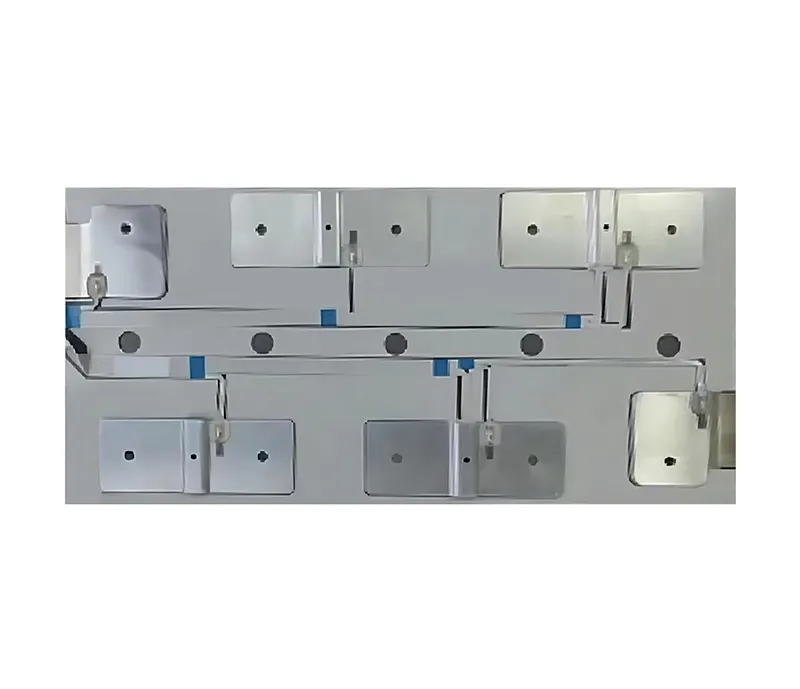
Haiyan New Energy is a manufacturer of electrical connection solutions with expertise in busbar production and processing. Their Aluminum Busbar product line offers 50% weight savings compared to copper, up to 70% lower material costs, and natural corrosion resistance through its oxide layer. Available in multiple alloys including 1060 and 6061, with surface treatment options including anodizing and tin plating. Manufacturing processes include precision CNC machining with strict quality control protocols, compliance with IEC, UL, and CE standards, and custom designs to meet specific application requirements. Applications include electric vehicles, solar inverters, wind turbine systems, energy storage, industrial automation, control panels, and switchgear. Haiyan New Energy provides expert engineering support, rapid production capabilities, competitive direct manufacturer pricing, global shipping, and complete technical documentation. Connect with Haiyan New Energy to discuss your current rating requirements, dimensional specifications, and surface treatment needs.
GET A QUOTE


 中文
中文 English
 Pусский
 Français
 Español