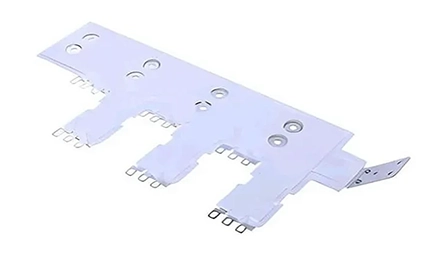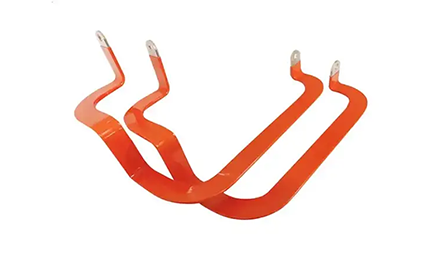


Routing power through a crowded cabinet or a cramped inverter enclosure is never straightforward. Rigid copper bars need precise alignment, and every obstacle in the path becomes a redesign. A Composite laminated busbar changes that. It's flexible enough to bend and route around obstacles, which simplifies wiring and reduces installation time. This article explains what makes laminated busbars flexible, how they maintain electrical reliability despite bending, and what to verify before specifying one for your power distribution or inverter application.
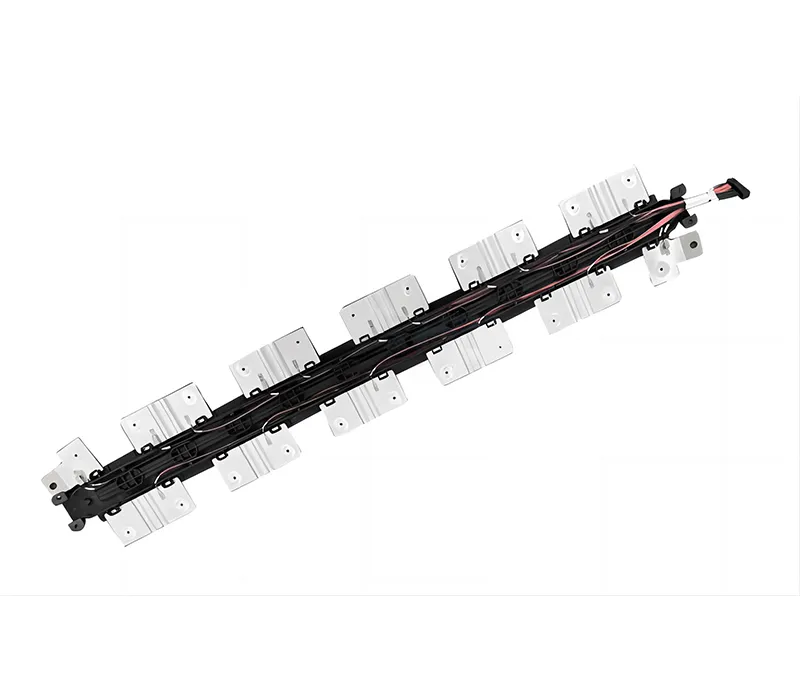
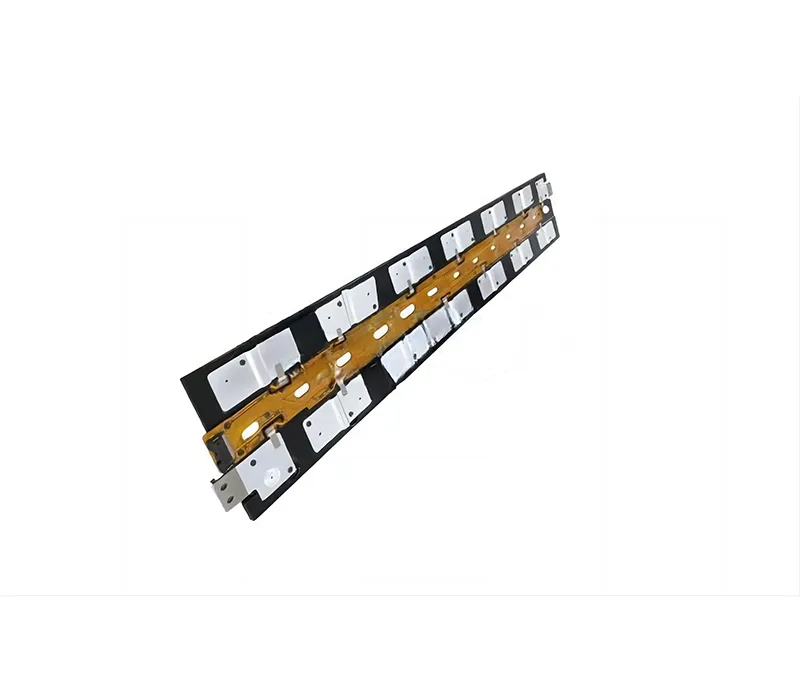
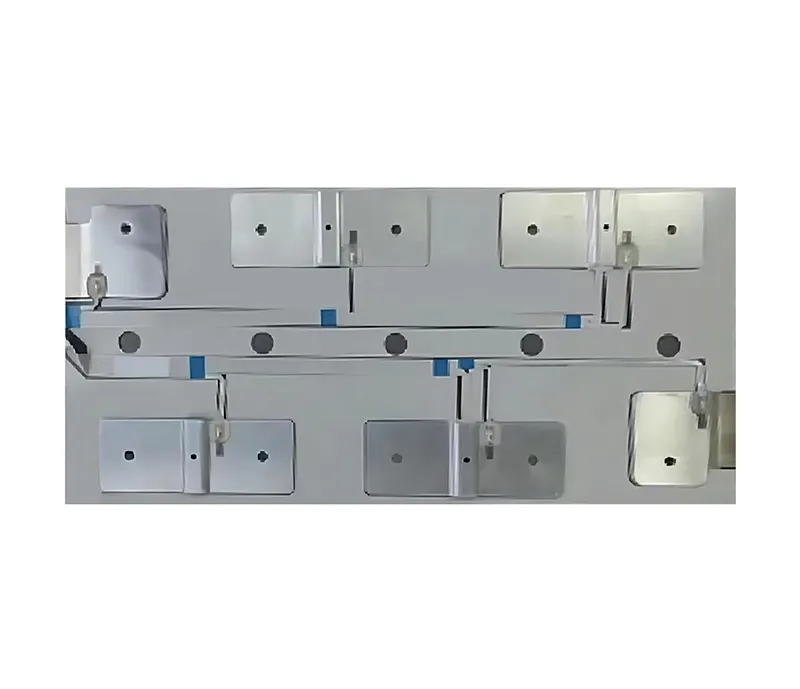
The flexibility of a laminated busbar comes from its construction. Instead of a single thick conductor, the busbar is built from multiple thin conductive layers bonded together with insulation between them. The thin layers can move relative to each other, which allows the entire assembly to bend without cracking or breaking. This construction also allows the busbar to route around obstacles that would block a rigid bar. The material selection and bonding process determine how much the busbar can bend and how well it maintains its electrical characteristics after bending.
Multiple thin conductive layers replace the single rigid conductor. Because each layer is thin, it can flex without exceeding the material's elastic limit. The layers move together as the busbar bends, maintaining the cross-sectional area and current-carrying capacity.
The insulation between layers is bonded to the conductors, forming a single composite structure. This bonding keeps the layers aligned and maintains the insulation integrity even when the busbar is bent into a curved path.
Flexibility translates directly into installation savings. Rigid busbars require precise measurement, bending with specialized equipment, and careful alignment to fit into an enclosure. A flexible busbar can be routed by hand, following the natural path around components and through tight spaces. This reduces the time and effort required for wiring. It also reduces the risk of installation errors, since the busbar adapts to the actual layout rather than requiring the layout to adapt to the busbar.
The busbar bends around capacitors, heatsinks, and structural members without requiring custom-formed rigid sections. Installers can route the busbar along the most direct path, minimizing cable length and reducing voltage drop.
Hand-routing eliminates the need for bending jigs, measurements, and trial fits. The busbar is positioned once and secured, cutting installation time compared to rigid alternatives.
A flexible busbar must maintain its electrical performance after installation. The laminated construction provides consistent and reliable electrical connections, minimizing faults. The composite structure is resistant to wear and tear, ensuring long-lasting performance. The bonding between layers prevents delamination, and the insulation maintains its dielectric strength over the life of the product.
| Parameter | Specification |
|---|---|
| Construction | Multiple thin conductive layers bonded with insulation |
| Flexibility | Bends and routes around obstacles |
| Installation | Hand-routed, no special bending equipment required |
| Electrical Performance | Consistent and reliable connections |
| Durability | Resistant to wear and tear |
| Applications | Residential to industrial settings |
| Customization | Available per customer requirements |
The bonded construction maintains uniform contact pressure and cross-sectional area, so the busbar delivers consistent electrical performance after bending. There are no loose layers or gaps that could cause hot spots.
The composite structure resists vibration, thermal cycling, and mechanical wear. The insulation and bonding materials are selected for durability, ensuring that the busbar maintains its electrical and mechanical properties over years of service.
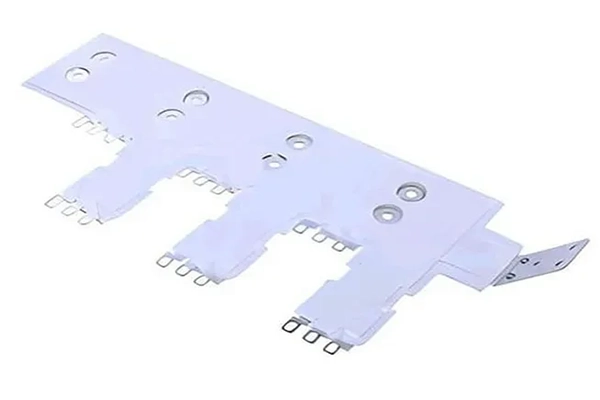
Flexible busbars serve a wide range of applications, from residential to industrial settings. They are particularly valuable where space is constrained and routing is complex, such as inverter enclosures, battery packs, and power distribution cabinets.
Inverter assemblies — connecting power modules and capacitors where rigid bars won't fit
Battery packs — routing between cells and modules with vibration tolerance
Power distribution cabinets — flexible connections that adapt to component layout
Renewable energy systems — DC connections in solar and energy storage equipment
Industrial equipment — high-current connections in crowded enclosures
Inverters and battery packs combine high current with tight space. Flexible busbars route between power modules, capacitors, and terminals without requiring custom-formed rigid bars. The flexibility also helps absorb vibration in mobile and high-vibration applications.
In distribution cabinets, busbars must connect to components positioned at various heights and depths. Flexible busbars adapt to the actual layout, reducing the need for multiple rigid bar configurations.
Before specifying a flexible busbar, confirm the current-carrying capacity, the voltage rating, and the insulation material's temperature rating. Check the minimum bend radius to ensure the busbar can follow the required routing path without damage. Verify that the busbar's insulation meets the dielectric strength requirements of the application, and confirm that the termination points are compatible with the equipment terminals.
The busbar must be sized to carry the full load current without excessive temperature rise. The insulation must be rated for the system voltage with an appropriate safety margin.
Each busbar has a minimum bend radius defined by its construction. Confirm that the routing path respects this radius to avoid damaging the insulation or the bonded layers.
It is used as a flexible and easy-to-install electrical connection solution, designed to simplify wiring and ensure reliabe electrical connections across a range of applications.
The main advantages are flexibility for easy bending and routing around obstacles, ease of installation, reliable electrical connections, durability against wear and tear, and versatility across residential to industrial settings.
Yes. Customized solutions are available based on your specific current, voltage, and routing requirements.
The busbar requires minimal maintenance. Periodic inspection of terminations and visual checks for insulation damage are sufficient. The composite construction resists wear and tear, contributing to long-lasting performance.
A Composite laminated busbar that bends around obstacles, simplifies wiring, and delivers reliable connections is a practical solution for power distribution and inverter applications. The Laminated Inverter Busbars from ZHONGYAN deliver flexibility for easy routing, ease of installation, reliable electrical connections, durability against wear and tear, and versatility from residential to industrial settings. Contact ZHONGYAN for a custom laminated busbar configuration assessment → their team can help you specify the right current rating, bend radius, and termination for your application.
GET A QUOTE


 中文
中文 English
 Pусский
 Français
 Español