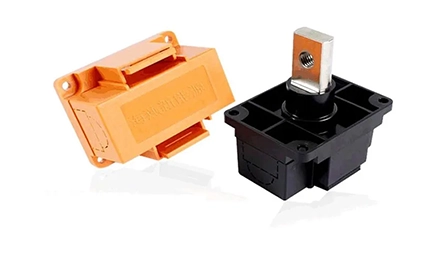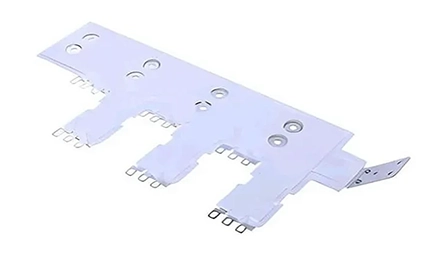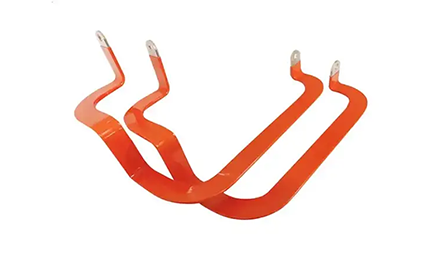


You're designing a power connection for equipment that vibrates—motors, generators, transformers, or electric vehicles. A rigid busbar that can't absorb vibration becomes a failure point, with connections loosening over time and fatigue cracks developing in the metal. A flexible busbar made from woven copper strands is engineered to address this problem: it bends, flexes, and absorbs movement without losing electrical continuity. This article examines what makes the flexible busbar a more reliable choice for vibration-prone applications—from the woven copper construction that absorbs shock to the terminations that stay tight under constant movement.
Q: How does a flexible busbar handle constant vibration differently from a rigid busbar?
A: A rigid busbar transfers vibration directly to its mounting points and terminations. Over time, this can loosen connections, fatigue the metal, and cause failure. A flexible busbar is made from multiple strands of woven copper wire that absorb vibration, preventing it from reaching the terminations and mounting points.
Q: What applications are most prone to vibration issues?
A: Applications with motors, generators, transformers, electric vehicles, and mining equipment all experience significant vibration. In these environments, flexible busbars provide the reliability that rigid busbars can't match.
Rigid busbars are solid pieces of copper or aluminum. When attached to equipment that vibrates, they transfer that vibration directly to every connection point. Over time, the constant movement works fasteners loose, creates fretting corrosion at contact surfaces, and can even cause fatigue cracking in the metal itself.
A failed power connection can take down equipment, stop production, or create a safety hazard. The cost of unplanned downtime far exceeds the cost of specifying a more reliable connection. For equipment that operates 24/7 in demanding environments, the reliability of the connection matters as much as its current-carrying capacity.
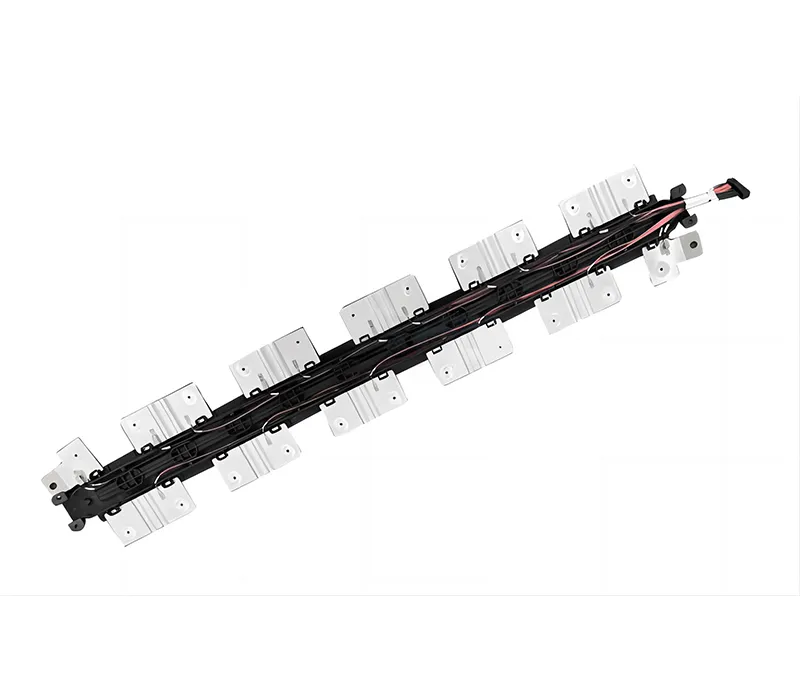
The flexible busbar is made from high-quality copper material and is woven from multiple strands of copper wire. The woven structure allows the busbar to flex and bend under load, absorbing vibration before it reaches the terminations. The vibration is dissipated through the flexible strands, protecting the connection points.
Solid copper bars subjected to constant vibration can develop stress fractures over time. The woven copper strands move independently, distributing the stress across multiple wires rather than concentrating it in a single solid piece. This significantly extends the service life of the connection.
Terminations are pre-fabricated to match your exact connection requirements. The connection between the woven strands and the termination points is strong and durable, designed to withstand the mechanical stresses of vibration. The terminations remain tight even when the busbar flexes.
Insulation options include extrusion, injection molding, plastic dipping, powder dipping, spraying, and industrial heat shrink tubing. The insulation is applied during manufacturing and is designed to flex with the busbar—not crack or separate under constant movement.
The flexible busbar is used across multiple industries where vibration is a constant concern:
Rotating equipment generates constant vibration. Flexible busbars provide the reliable connection that these applications demand, absorbing vibration and maintaining electrical continuity over years of operation.
EVs operate in a high-vibration environment—road conditions, motor operation, and suspension movement all transmit vibration to electrical connections. Flexible busbars provide the reliability that automotive applications require.
Mining equipment operates in some of the most demanding environments, with constant vibration from heavy machinery and rough terrain. Flexible busbars withstand these conditions where rigid busbars would fail.
Vessels and offshore platforms experience constant motion and vibration. The flexible busbar's ability to absorb movement makes it a reliable choice for these applications.
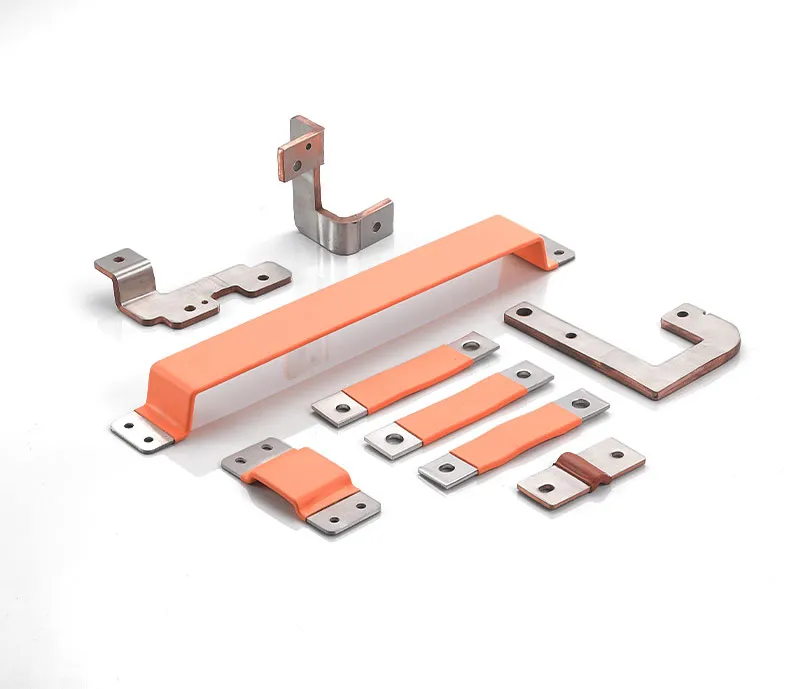
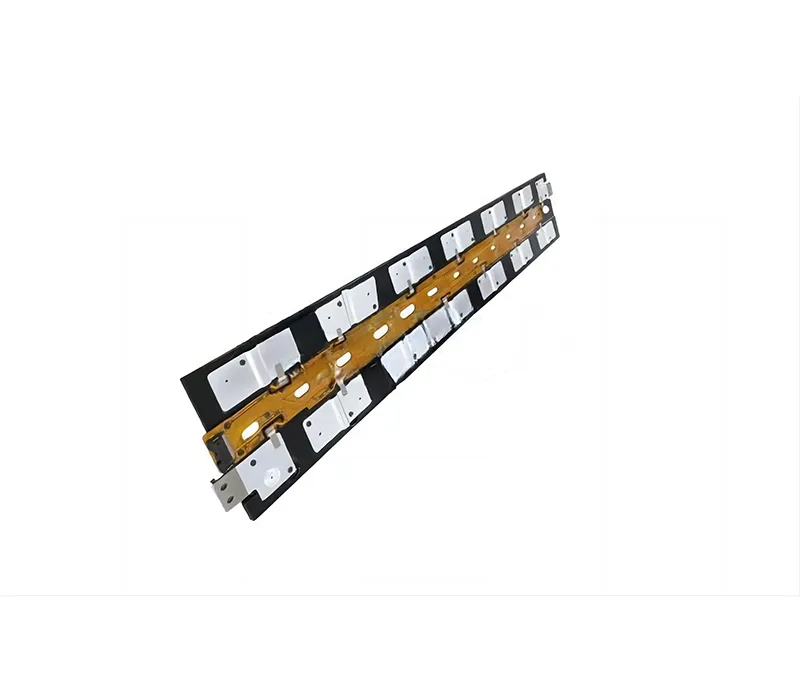
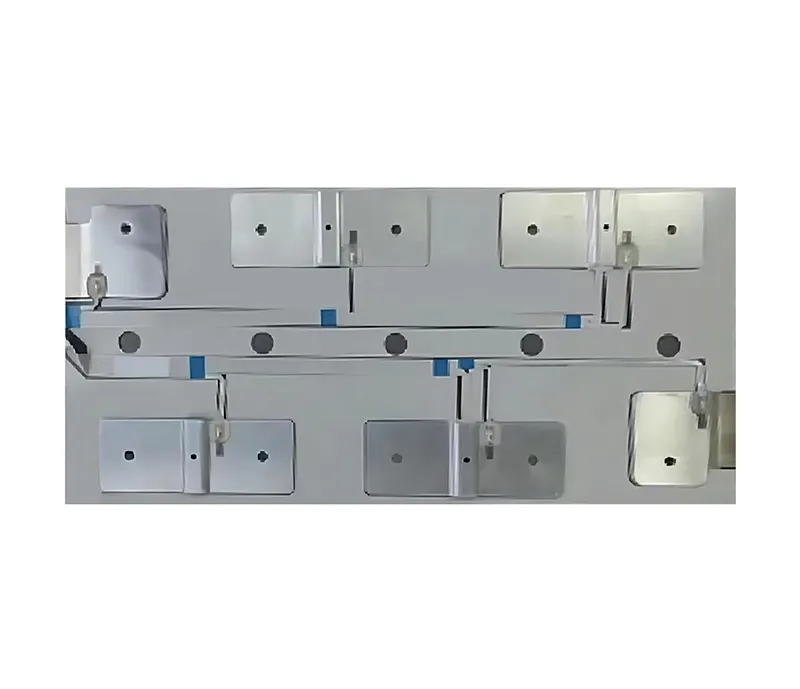
The busbar can be processed into customized shapes, including irregular shapes. The busbar is manufactured to match the exact routing and connection points of your power distribution system—without forcing rigid connections that would transfer vibration.
The products are internationally certified, providing documented assurance that the busbars meet recognized quality and safety standards. This certification simplifies procurement for projects requiring compliance documentation.
Q: What materials are available for flexible busbars?
A: The busbar is available in copper and aluminum materials. Copper offers superior conductivity; aluminum provides a lighter-weight alternative.
Q: Can the busbar be customized to specific shapes?
A: Yes. The busbar can be processed into customized shapes, including irregular shapes. Customization is available according to user drawings.
Q: What insulation options are available?
A: Insulation options include extrusion, injection molding, plastic dipping, powder dipping, spraying, and industrial heat shrink tubing.
Q: What applications are flexible busbars suitable for?
A: Flexible busbars are used in high and low voltage electrical appliances, vacuum electrical appliances, mining explosion-proof equipment, new energy vehicles, transportation, and new power grid systems.
Q: What is the manufacturing process for flexible busbars?
A: The process includes die-cutting and stacking, molecular expansion welding, and other processes, using advanced digital technology production lines.
Q: Who manufactures the flexible busbars?
A: The busbars are manufactured by Zhejiang ZHONGYAN New Energy Co., Ltd, with 20+ years of expertise.
A flexible busbar that absorbs vibration, absorbs thermal expansion, and maintains reliable connections is the practical solution for power equipment that operates in demanding environments. The flexible copper busbar from Zhongyan delivers high-quality woven copper construction for flexibility and vibration absorption, custom shapes that fit without stress, multiple insulation options that stay intact under movement, and pre-fabricated terminations that remain tight under vibration.
Whether you're connecting motors, generators, transformers, or electric vehicle powertrains, the flexible busbar offers the reliability that engineers require in vibration-prone applications. With rapid sampling and customization, internationally certified quality, and comprehensive technical support from design to delivery, it's built for the demands of rotating equipment and mobile applications.
Contact the manufacturer for a custom busbar solution → their team can help you select the right material, shape, and insulation for your specific application
GET A QUOTE


 中文
中文 English
 Pусский
 Français
 Español