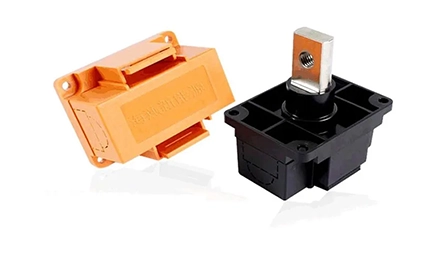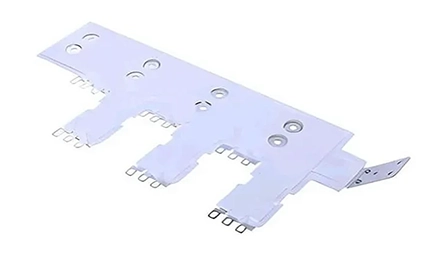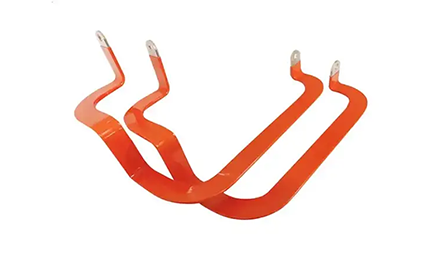


You‘re designing a battery energy storage system for a commercial facility, a utility-scale project, or an industrial application. The connectors you choose determine whether your system delivers reliable power for years or fails at the worst possible moment.
An Energy Storage Connector is the heavy-duty power terminal designed to pass heavy direct current between battery modules and power conversion systems. But not every connector is right for every system. Voltage, current, environmental conditions, and mechanical compatibility all factor into the decision.
This guide helps you assess whether your battery system has the right energy storage connector—covering the key specifications, application requirements, and practical evaluation criteria that determine a successful match.
Before you can evaluate whether a connector fits, you need to understand what it actually does in a battery energy storage system.
In a battery energy storage system, individual battery modules must be connected to form strings and racks. The connector handles the high direct current that flows between these modules, carrying the power that ultimately feeds the grid or the facility. Without reliable connectors, the system cannot deliver its rated capacity.
The connector also links the battery bank to the power conversion system (PCS)—the inverter that converts DC power from the batteries to AC power for the grid or facility. This connection must handle high currents with minimal resistance to avoid energy loss and heat generation.
In a battery energy storage system, a failed connection can lead to arcing, overheating, or even fire. The connector’s design—secure locking mechanisms, robust insulation, and high-current capacity—is what keeps the system operating safely. For battery storage applications, reliability isn’t optional; it’s essential.
The first step in evaluating whether a connector fits your system is matching its specifications to your application requirements.
The connector must handle the maximum current your system will draw. Underspecifying current capacity leads to overheating, increased resistance, and reduced efficiency. A connector that’s rated for 200A but regularly carries 180A may still run hot. Always build in margin—a connector running at 80% of its rated capacity will last longer than one running at 100%.
The connector’s voltage rating must exceed the system’s maximum operating voltage. For battery systems operating at 1000V DC or higher, the insulation material must withstand that voltage without breakdown. Dielectric strength testing confirms the connector can handle voltage spikes and surges without arcing.
Where is your system installed? Indoors or outdoors? Coastal or inland? The connector’s IP rating determines its protection against dust, moisture, and corrosion. An IP-rated connector is essential for outdoor or semi-outdoor installations where dust and water ingress are real threats.
| Evaluation Factor | What to Check | Why It Matters |
|---|---|---|
| Current Rating | Does it exceed your maximum current? | Prevents overheating and efficiency loss |
| Voltage Rating | Does it exceed your system voltage? | Prevents dielectric breakdown |
| IP Rating | Is it adequate for your installation environment? | Prevents moisture and dust ingress |
| Locking Mechanism | Does it maintain contact under vibration? | Prevents intermittent connections |
| Temperature Range | Does it cover your operating conditions? | Ensures reliable performance |
Specifications are the starting point, but they’re not the whole story.
The connector’s physical dimensions, terminal size, and mounting configuration must match your battery modules and cabling. The FJ6CN features a standardized interface that supports a range of terminal sizes from 6mm to 12mm, accommodating common cable gauges in energy storage applications.
Vibration, thermal cycling, and mechanical stress can loosen connections over time. A connector with a secure locking mechanism maintains contact integrity even in demanding conditions. This reduces the risk of intermittent connections that can cause system faults.
A connector that’s difficult to install or service creates problems for your team. Look for connectors with clear visual indicators of proper mating, straightforward locking mechanisms, and accessible termination points. The FJ6CN’s design simplifies both installation and field maintenance.
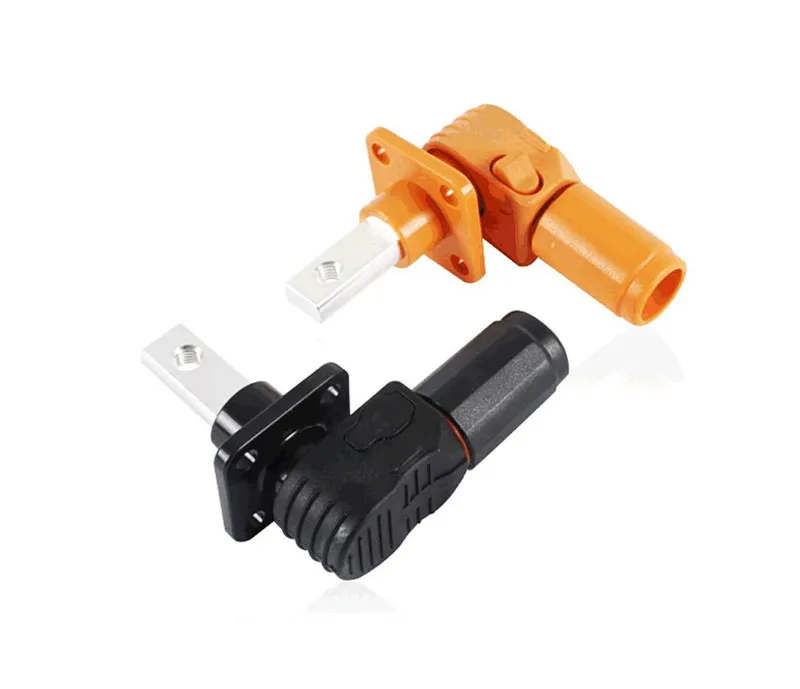
Connector compatibility matters most in these demanding energy storage applications.
Commercial and industrial (C&I) energy storage systems are installed in factories, office buildings, and shopping centers to reduce demand charges and provide backup power. The connectors in these systems must handle daily charge-discharge cycles with consistent performance. Compatibility issues can cause downtime that affects business operations.
Utility-scale battery storage installations are measured in megawatt-hours. These systems contain thousands of battery modules connected in complex arrangements. Connector compatibility across thousands of terminations is critical for system reliability and maintainability.
Solar and wind projects increasingly include battery storage to smooth output and provide grid services. The connectors tie the battery system to the renewable energy source and the grid, carrying power in both directions. Compatibility ensures seamless integration between storage and renewable generation.
Battery storage is increasingly paired with EV charging stations to manage peak demand. The connectors in these systems handle the high currents required for fast charging. Compatibility issues can affect charging performance and station reliability.
What is the difference between an energy storage connector and a standard power connector?
An energy storage connector is specifically designed for the demands of battery systems—high DC current, frequent cycling, and the need for secure, low-resistance connections. Standard power connectors may not provide the same level of current-carrying capacity, insulation, or mechanical robustness required for energy storage applications.
How do I ensure the connector is compatible with my battery system?
Compatibility depends on the connector’s voltage rating, current capacity, and mechanical interface. Check your system’s specifications and match them to the connector’s rated parameters. Always verify physical compatibility—terminal size, mounting, and cable accommodation. The FJ6CN is designed for battery storage applications, supporting the high currents and voltages common in these systems.
What current ratings are available for energy storage connectors?
Energy storage connectors typically support currents from 60A up to 500A, with higher ratings available for large-scale systems. The FJ6CN series covers a range of current ratings to match different applications.
If you already have a connector in place but aren’t sure it‘s the right fit, here’s a simple evaluation process.
Start by confirming the connector’s current and voltage ratings against your system’s specifications. If the connector is operating near or at its maximum rating, it’s time to upgrade.
Examine the connector for signs of overheating—discoloration, melting, or corrosion. Check the locking mechanism for proper engagement. If the connector shows signs of wear, replace it.
If you‘re adding new modules or expanding your system, confirm that the existing connector is compatible with the new components. Mismatched connectors can create failure points that affect the entire system.
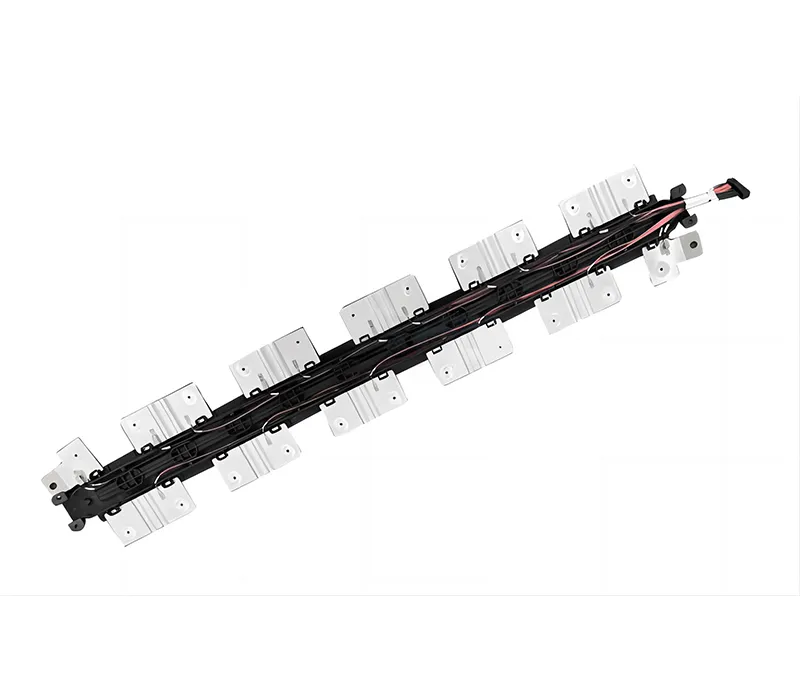
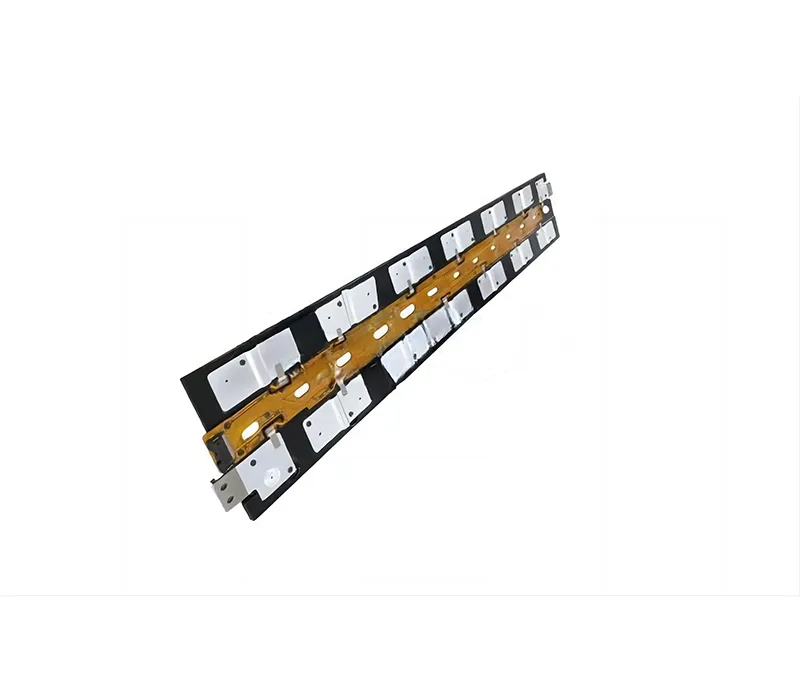
Haiyan New Energy manufactures energy storage connectors designed for the demands of modern battery systems. The FJ6CN Battery Storage Connector combines high-current capacity, robust insulation, and secure locking mechanisms for reliable performance in energy storage applications. With over 130 product series and 2,300 specifications covering terminal blocks and connectors, the company has the range to support diverse project requirements. For energy storage system integrators and project developers, the connector is a critical component that affects system reliability, efficiency, and safety. The FJ6CN offers the performance and durability that demanding battery storage applications require.
Ready to evaluate energy storage connectors for your battery system? Reach out to Haiyan New Energy’s team—they can provide detailed specifications, sample configurations, and application guidance based on your specific project requirements.
GET A QUOTE


 中文
中文 English
 Pусский
 Français
 Español