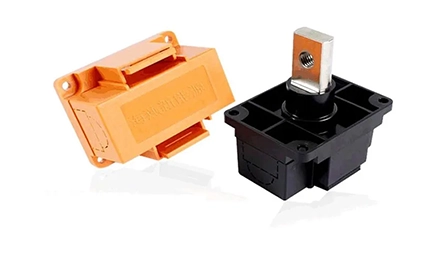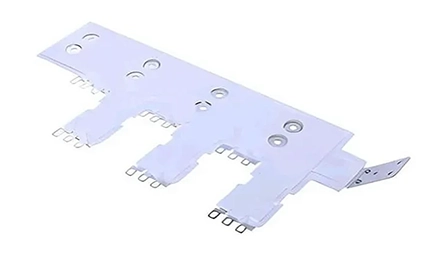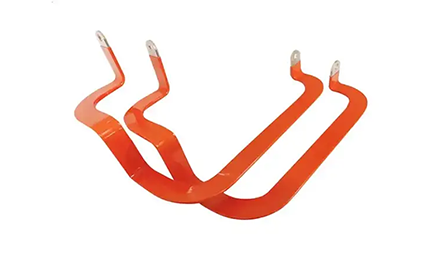


You’re designing a power distribution system, and the space is tight. Hard bus bars won‘t bend. Cables take up too much room and require crimped lugs. There has to be a better way.
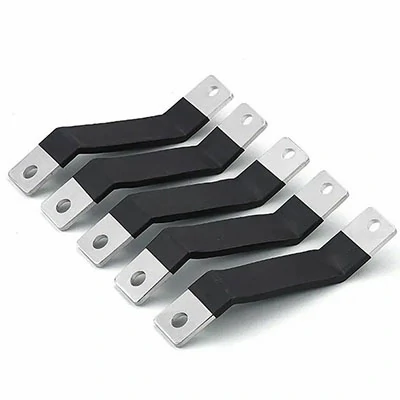
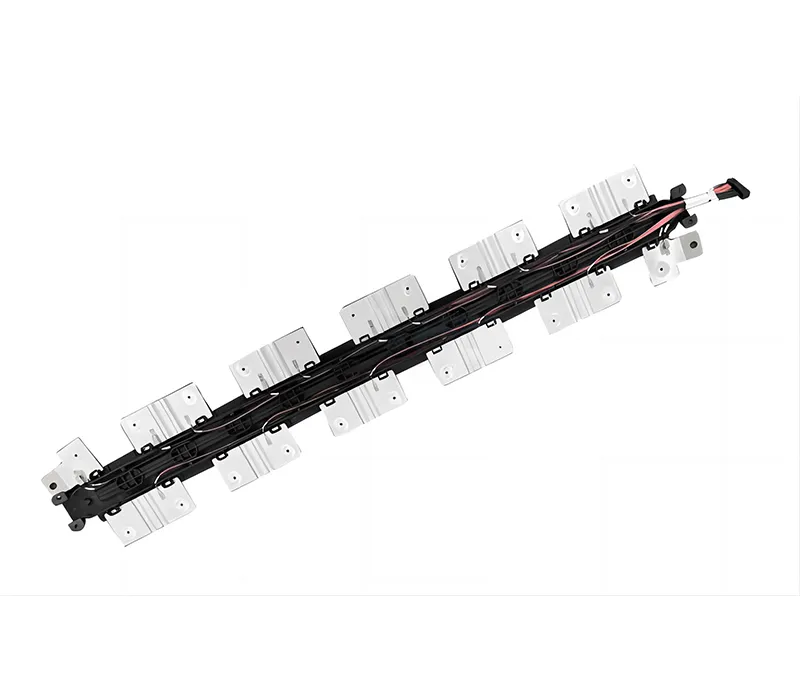
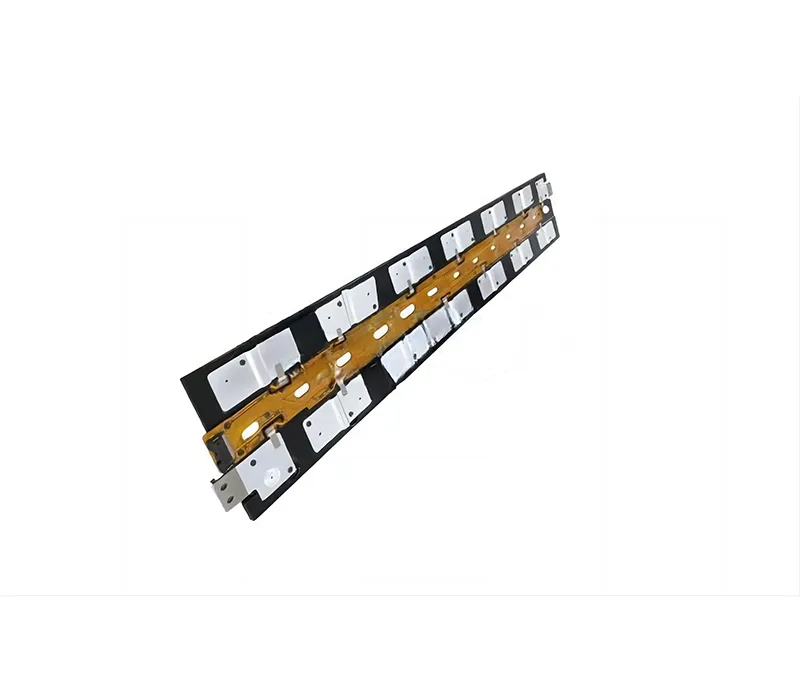
A Flexible Busbar bridges the gap between rigid bus bars and bulky cables. It’s a laminated conductor made from multiple thin layers of electrolytic copper—available in common and tinned options—that can be bent and shaped to fit almost any layout. Haiyan New Energy manufactures flexible copper bus bars designed for compact, high-density electrical systems, offering adaptable, efficient connections in power distribution, energy storage, and industrial applications.
This guide covers what a flexible busbar is, the key advantages that make it a preferred choice for modern electrical systems, where it‘s being used, and how it compares to traditional conductors. For electrical engineers, panel builders, and procurement professionals, this is a practical look at a component that simplifies power distribution while saving space and cost.
The construction of a flexible busbar is what sets it apart from both hard bus bars and cables.
A flexible busbar is composed of multiple layers of thin electrolytic copper, laminated together. This layered construction provides the high conductivity of solid copper while allowing the busbar to bend and flex. The copper used is 99.9% pure, ensuring excellent electrical conductivity.
Traditional bus bars and cables require terminal blocks or crimped lugs to make connections. Flexible busbars are connected by directly piercing the laminated copper sheet. This eliminates the need for terminal blocks, which reduces the number of potential failure points and makes installation faster and more reliable.
Flexible busbars are available in a range of sizes, from 24mm to 1200mm. They come in common and tinned copper options, giving designers flexibility to match the busbar to the specific requirements of their application.
Flexible busbars offer a combination of benefits that hard bus bars and cables can‘t match.
Flexible busbars require less space for insulation than cables. Their compact design reduces the length, number, and weight of conductors needed in a system. The insulation material allows for closer spacing than conventional busbar designs, making them ideal for tight enclosures and high-density installations.
By eliminating the need for terminal block installations, flexible busbars reduce both material and labor costs. They also reduce inventory costs—fewer components to stock, fewer parts to manage. The elimination of cable lugs and terminal blocks means less hardware and fewer potential failure points.
The direct connection method eliminates the cable lug connection, removing a common source of electrical faults. Flexible busbars also offer excellent vibration resistance—a critical advantage in applications where equipment experiences constant movement or shock. There‘s no crimping involved, which eliminates the risk of poor crimps that can cause overheating and failure.
Thanks to its design, a flexible busbar can be easily bent and shaped for all sizes. This flexibility makes it easier to access switchboards and design layouts that would be difficult or impossible with rigid bus bars. Installation is faster and requires less specialized tooling.
Here’s a quick reference table of the key specifications for flexible busbars:
| Specification | Detail |
|---|---|
| Material | Multi-layer electrolytic copper (99.9% purity) |
| Options | Common copper, tinned copper |
| Size Range | 24mm to 1200mm |
| Operating Temperature | -25°C to +105°C (-13°F to 221°F) |
| Nominal Voltage | 1000V AC / 1500V DC (IEC and UL) |
| Key Properties | Self-extinguishing, high mechanical strength, high elongation, high withstand current |
| Quality Assurance | 100% pass production dielectric test |
Flexible busbars are ideal for compact, high-density electrical systems. Their adaptability makes them suitable for a wide range of applications.
In switchgear, panel boards, and distribution boards, flexible busbars provide efficient, space-saving connections. Their ability to bend and route around other components simplifies panel layout and reduces the overall footprint.
Battery energy storage systems (BESS) require high-current connections between battery racks, inverters, and the grid connection point. Flexible busbars offer the high conductivity and vibration resistance that these systems demand.
Heavy equipment, motor control centers, and automation systems all benefit from the compact, reliable connections that flexible busbars provide.
Solar and wind power systems require durable, flexible connections that can withstand environmental stress. Flexible busbars are well-suited to these applications.
What is the difference between a flexible busbar and a cable?
A flexible busbar is a laminated copper conductor with a flat, rectangular cross-section. It combines the high conductivity of copper with the flexibility to bend and shape into tight spaces. Cables are round conductors that require crimped lugs and terminal blocks for connections. Flexible busbars offer better space utilization, lower resistance, and eliminate the need for terminal blocks.
How does a flexible busbar connect to equipment?
Flexible busbars are connected by directly piercing the laminated copper sheet. This eliminates the need for terminal blocks. The connection method is faster, more reliable, and reduces the number of potential failure points compared to traditional cable lug connections.
What is the operating temperature range?
Flexible busbars operate in temperatures from -25°C to +105°C (-13°F to 221°F). This wide range covers most industrial and commercial applications, from cold outdoor installations to hot industrial environments.
Are flexible busbars suitable for high-vibration applications?
Yes. Flexible busbars offer excellent vibration resistance. The laminated construction absorbs vibration better than rigid bus bars, and the direct connection method eliminates the risk of lugs loosening over time.
Choosing the right manufacturer for flexible busbars is as important as choosing the right product.
Haiyan New Energy manufactures flexible copper bus bars designed for compact, high-density electrical systems. The product range covers sizes from 24mm to 1200mm, with common and tinned copper options available. Every product passes a 100% production dielectric test, ensuring quality and reliability.
The company’s flexible busbars are suitable for a wide range of applications, including power distribution systems, energy storage systems, industrial machinery, and renewable energy installations. With a nominal voltage rating of 1000V AC / 1500V DC (IEC and UL) and an operating temperature range of -25°C to +105°C, they meet the requirements of demanding electrical environments.
For engineers and procurement professionals, the decision to specify flexible busbars is about more than just the product—it‘s about simplifying installation, reducing costs, and improving reliability. Haiyan New Energy provides the quality, range, and support that projects demand.
Ready to evaluate flexible busbars for your next project? Reach out to Haiyan New Energy’s team—they can provide technical data, sample configurations, and application guidance based on your specific power distribution requirements.
GET A QUOTE


 中文
中文 English
 Pусский
 Français
 Español